Problem Wildlife

The County has Problem Wildlife Officers that will help you control wild animals that are regulated as pests or nuisances under the Agricultural Pests Act.

Please contact our Problem Wildlife Officer if you require assistance with control. 

Beaver dams may pose a threat to roadway infrastructure and cropland. Our Problem Wildlife Officers can assist landowners with the safe removal of beaver dams and beaver.

Cost:

  • $150 plus tax per quarter section (up to three dams)
  • $65.00 per dam thereafter

Our Problem Wildlife Officers can assist with Control of Coyotes and Other Pests in order to control predation or disease caused by pests on livestock, crops and farmland.

Wolves can be predators to the cattle industry. In partnership with Alberta Fish and Wildlife, our Problem Wildlife officers are available to help.

Alberta continues to maintain it's rat-free status since the establishment of Alberta's Rat Control Program in 1950. 

Though Alberta continues to maintain a Rat Control Zone on the eastern border of the province, rats are known to hitch-hike, and may still enter our border on transport trucks or personal vehicles. The most common rat found in the Canadian prairies is the Norway Rat.

It is important to understand how to prevent, identify, and report rats to ensure we remain rat-free.

Prevention

  • Remove food sources
    Eliminate anything that may attract rats, including garbage, spilled grain or feed, empty food containers, and pet or livestock feed. Rats are opportunistic and will eat almost anything available.
  • Eliminate shelter
    Keep yards, farmyards, and storage areas clean and uncluttered. Rats will shelter under almost any object on the ground, such as tires, boards, pallets, or bales, until they find more permanent cover.
  • Rat-proof buildings
    Reduce access to barns, sheds, granaries, and other structures by sealing gaps around doors, windows, and utility openings. Elevating outbuildings and regularly rotating stored grain or forage bales can also discourage rat activity.
  • Check vehicles after travel
    Inspect vehicle undercarriages after returning from out-of-province travel to ensure rats haven’t been transported unintentionally.
  • Manage bale stacks and waste sites
    Rats commonly inhabit hay and straw stacks. When stacking bales, consider placing bait in the lower one or two layers. Municipal waste sites should continue to manage garbage through burial or burning and use fencing to limit rat access.

Identification

Most reported rat sightings turn out to be muskrats, pocket gophers, ground squirrels, bushy-tailed wood rats or mice. However, local or provincial field staff investigate all suspected infestations.

The Norway rat has many distinguishing characteristics and clues. However, some other rodents can be mistaken for rats. Find out how to identify rats, and animals mistaken for rats.

Report a Rat

If you see a rat, safely take a picture, note the location, and send your information one of these ways:

To report to the County:

To report to the Province:

Rat on Rats! Program
To raise awareness, the Alberta Invasive Species Council (AISC) worked with Alberta Agriculture and Irrigation's Rat Control Program to develop the new ‘Rat on Rats!’ campaign, which encourages the public to report observations of rats in the province.

Please see their resources below:
Learn how to build a live magpie trap.

Land Use Bylaw 2680 Section 3 prohibits all Wild boar operations, including the raising or keeping of wild boar in the County of Grande Prairie.

Wild boar are considered an invasive species and are a provincially regulated agricultural pest when at large. They are a risk to the environment and the economy as they can damage property, agricultural crops, pastures, and the environment. They are also a major risk to animals due to potential disease transfer, and they are known to be aggressive towards people. 

Background 

Wild boar were introduced to Alberta as a way to diversify agriculture in the 1980s and ‘90s. Over the years, many escaped their enclosures and thrived as a feral species. After recognizing the damage these wild boar were causing to crops and livestock, the province initiated a bounty program where hunters could exchange wild boar ears for $50. This program was soon found to be ineffective because the wild boar learned to evade hunting efforts by scattering, shifting their movement patterns, and becoming nocturnal. The only way to eliminate wild boar at large is to eliminate the entire sounder at once. 

Today, awareness and prompt reporting of wild boar remains the most effective way to keep wild boar at bay.  

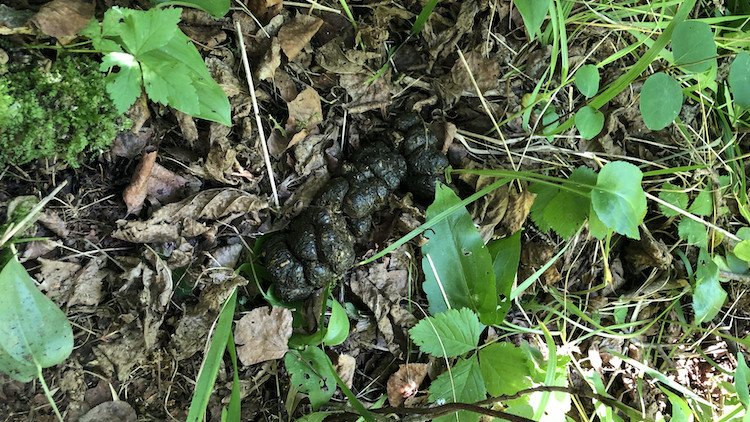
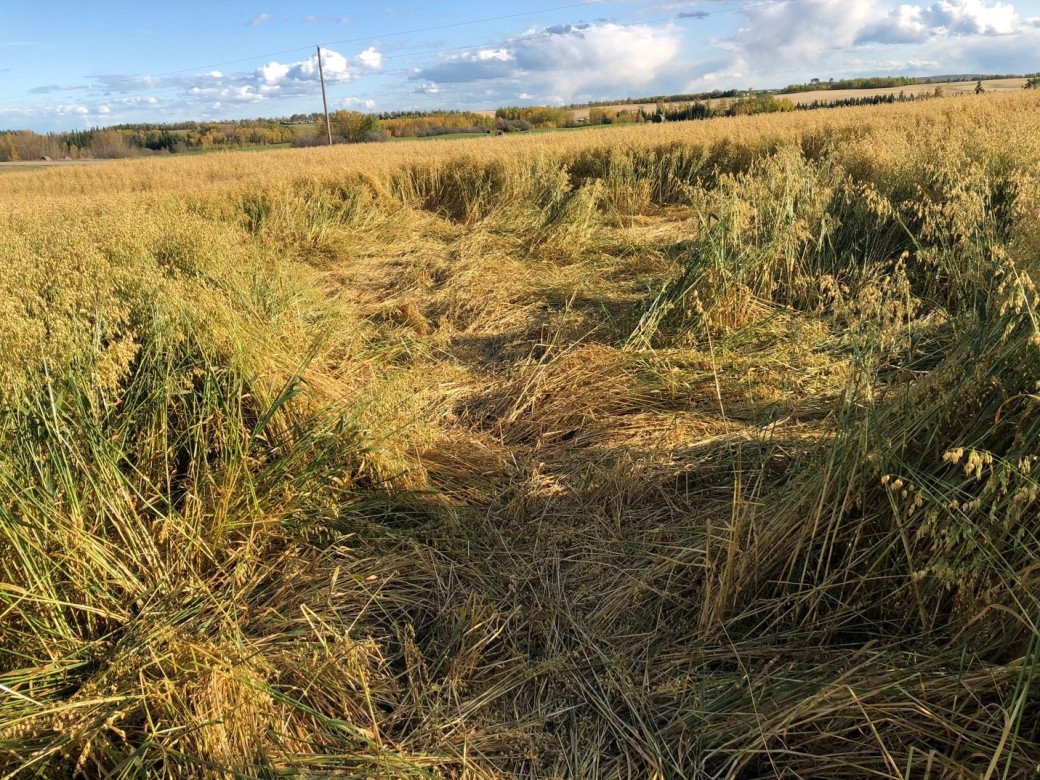
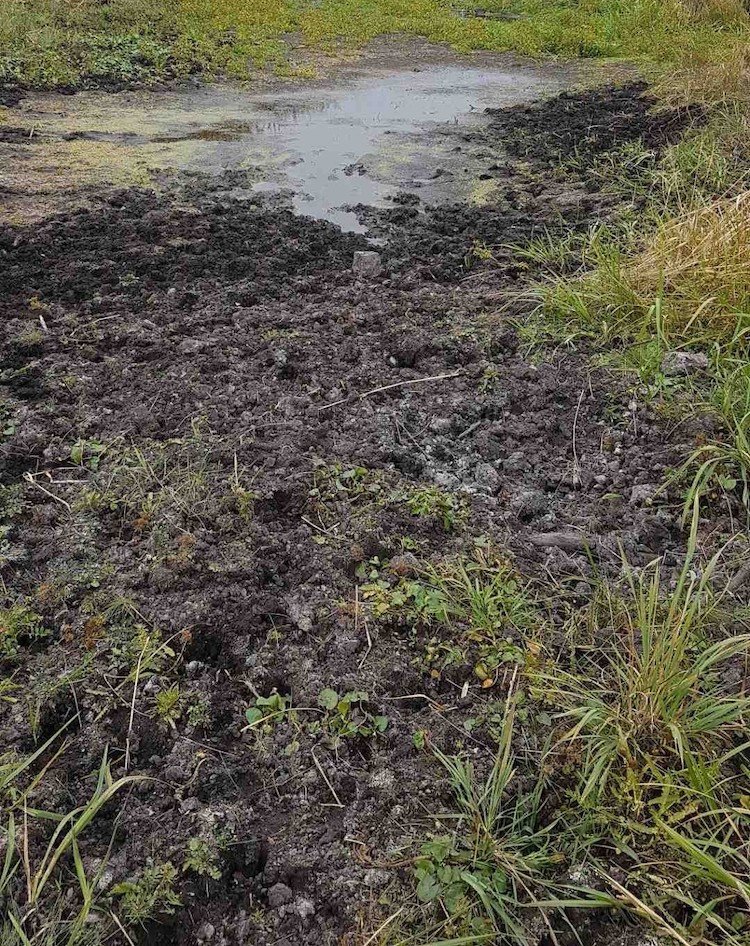
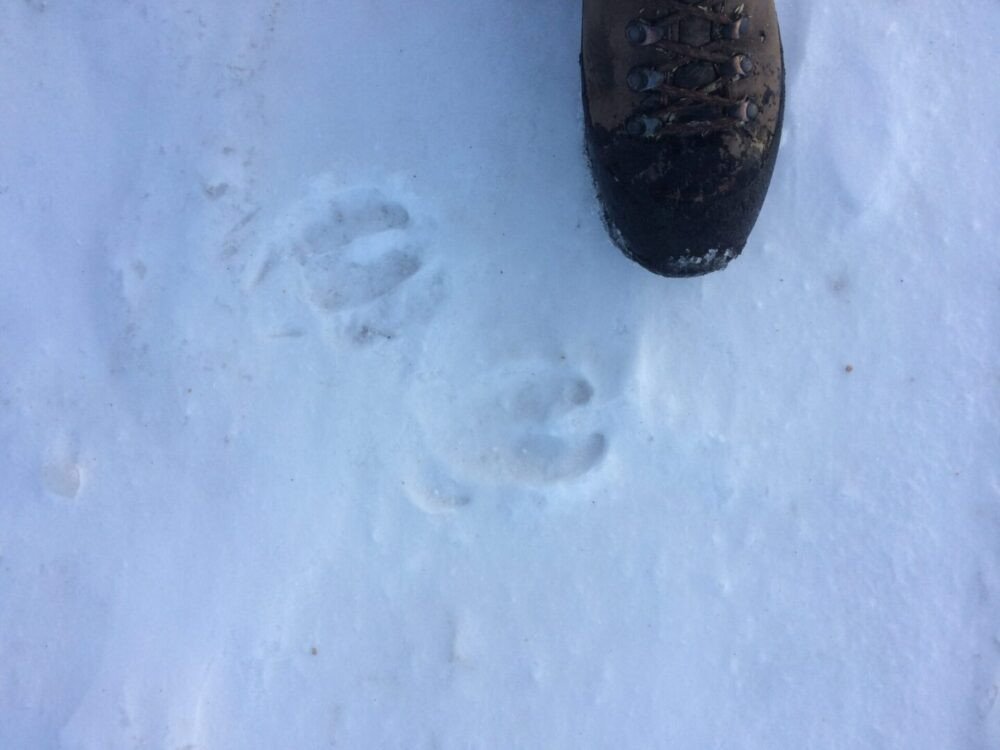
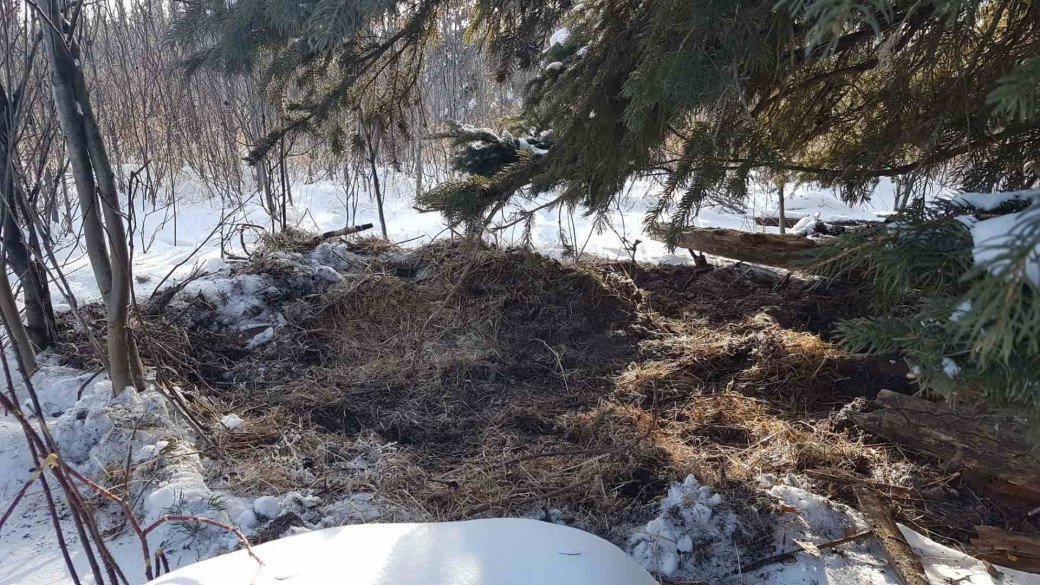
In Alberta, you are more likely to see signs of wild boar than wild boar themselves. Some signs to look out for include: 

In Alberta, you are more likely to see signs of wild boar than wild boar themselves. Some signs to look out for include: 

  • Droppings 

  • Crop Damage

  • Wallowing

  • Tracks and Trails

  • Nests

Photos from the Government of Alberta - Signs of wild boar activity | Alberta.ca 

If you see wild boar or evidence of wild boar activity, take a picture, note the location, and fill out the provincial online reporting form: 

(Report a Wild Boar Sighting button that links to: Report wild boar | Alberta.ca

Squeal on Pigs! Campaign 

The Alberta Invasive Species Council has initiated a Squeal on Pigs! Campaign to help raise awareness for wild boar in our province. Learn more here. 

Related Links

Contact Us

Agriculture
10001 - 84 Ave
Clairmont, AB
T8X 5B2

Phone: 780-532-9727
Fax: 780-567-5576
Email: agfieldman@countygp.ab.ca


Sign up to get the Latest News

Stay up to date on the County's activities, events, programs and operations by subscribing to the County of Grande Prairie news.