Soil Conservation

Soil is the foundation of our environment, playing a critical role in sustaining life and supporting our agricultural heritage. It’s not just dirt; it’s a dynamic ecosystem that filters water, supports plant growth, and houses countless organisms. In the County of Grande Prairie, healthy soil means vibrant crops, clean waterways, and resilient landscapes. 

Soil Conservation Act

Concerns about soil conservation increased during the early 1930s – also known as the “dirty thirties” – as a result of severe wind erosion events. In 1935, “The Control of Soil Drifting Act” was passed in Alberta which made the “occupier” of land responsible for soil drifting. 

In 1962, that act was replaced by the Soil Conservation Act which is still used today to help prevent soil loss or deterioration from taking place or continuing. 

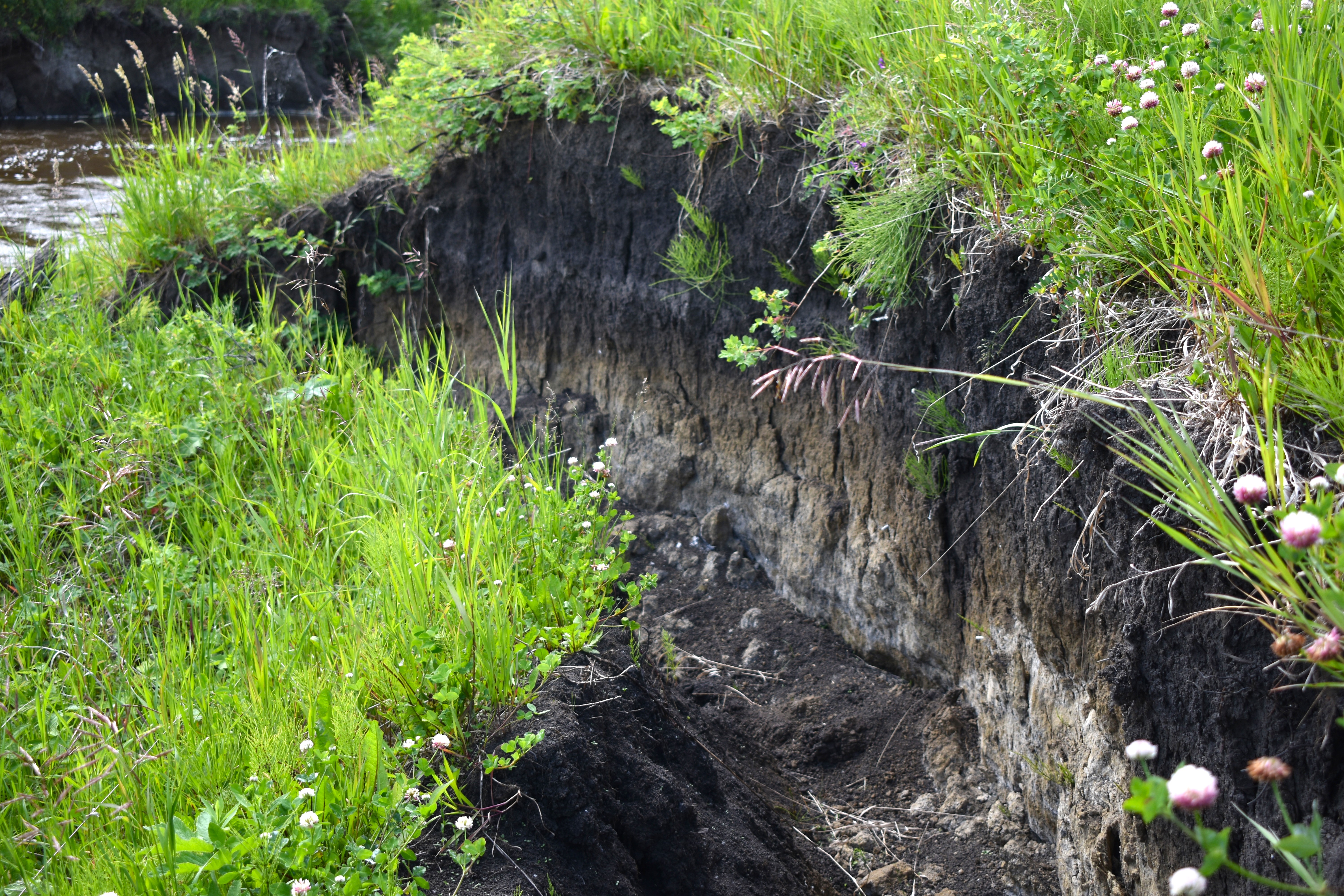
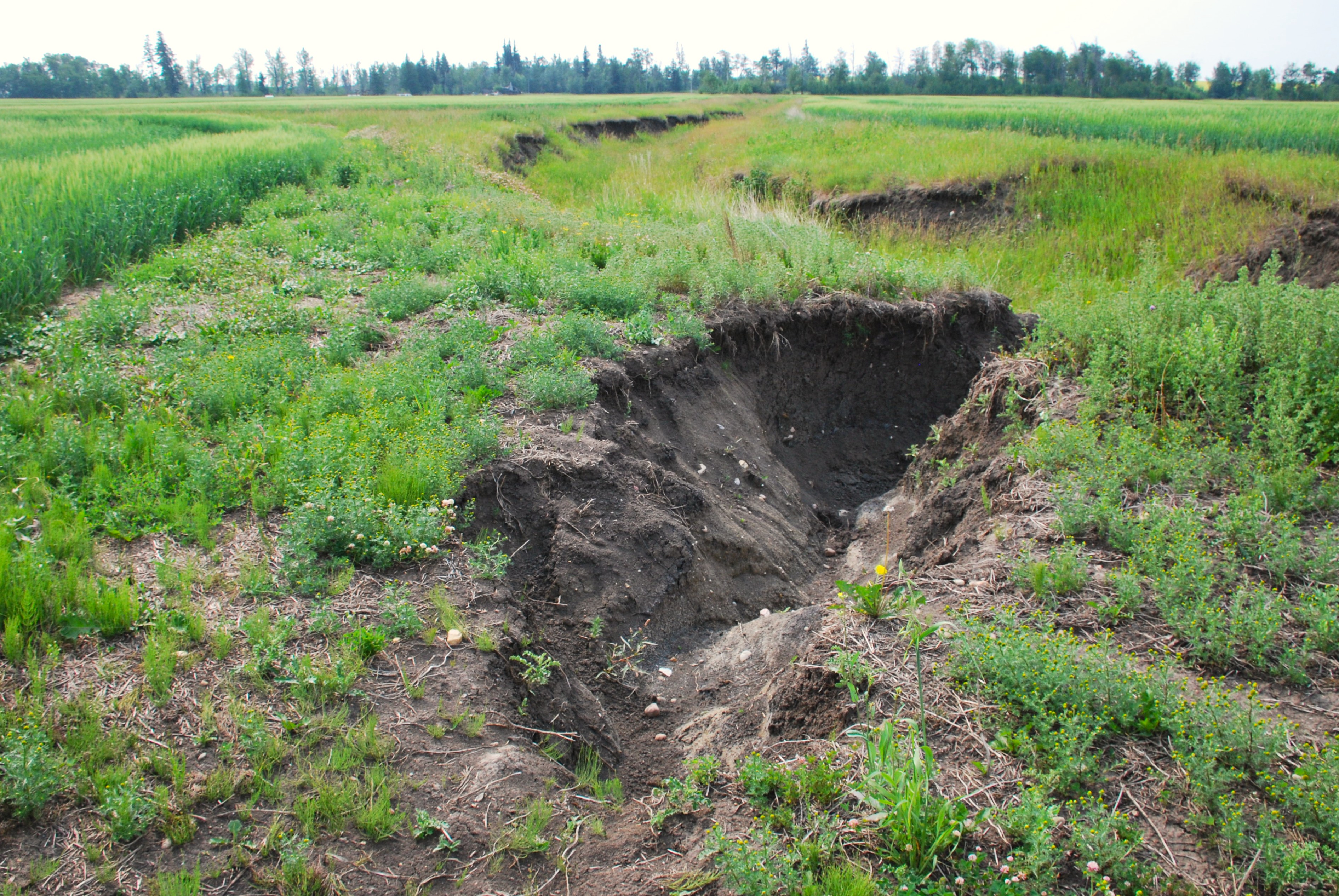
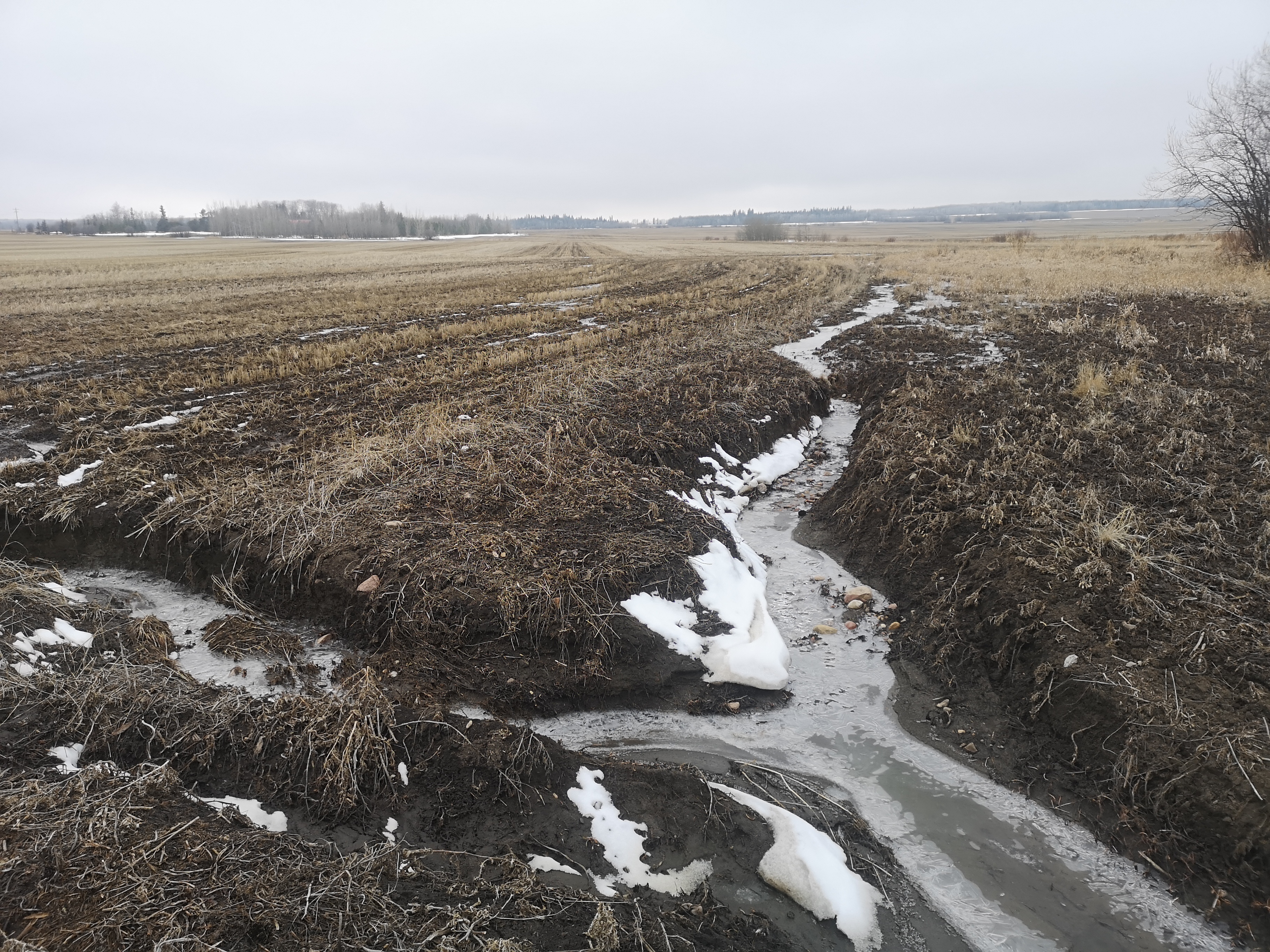
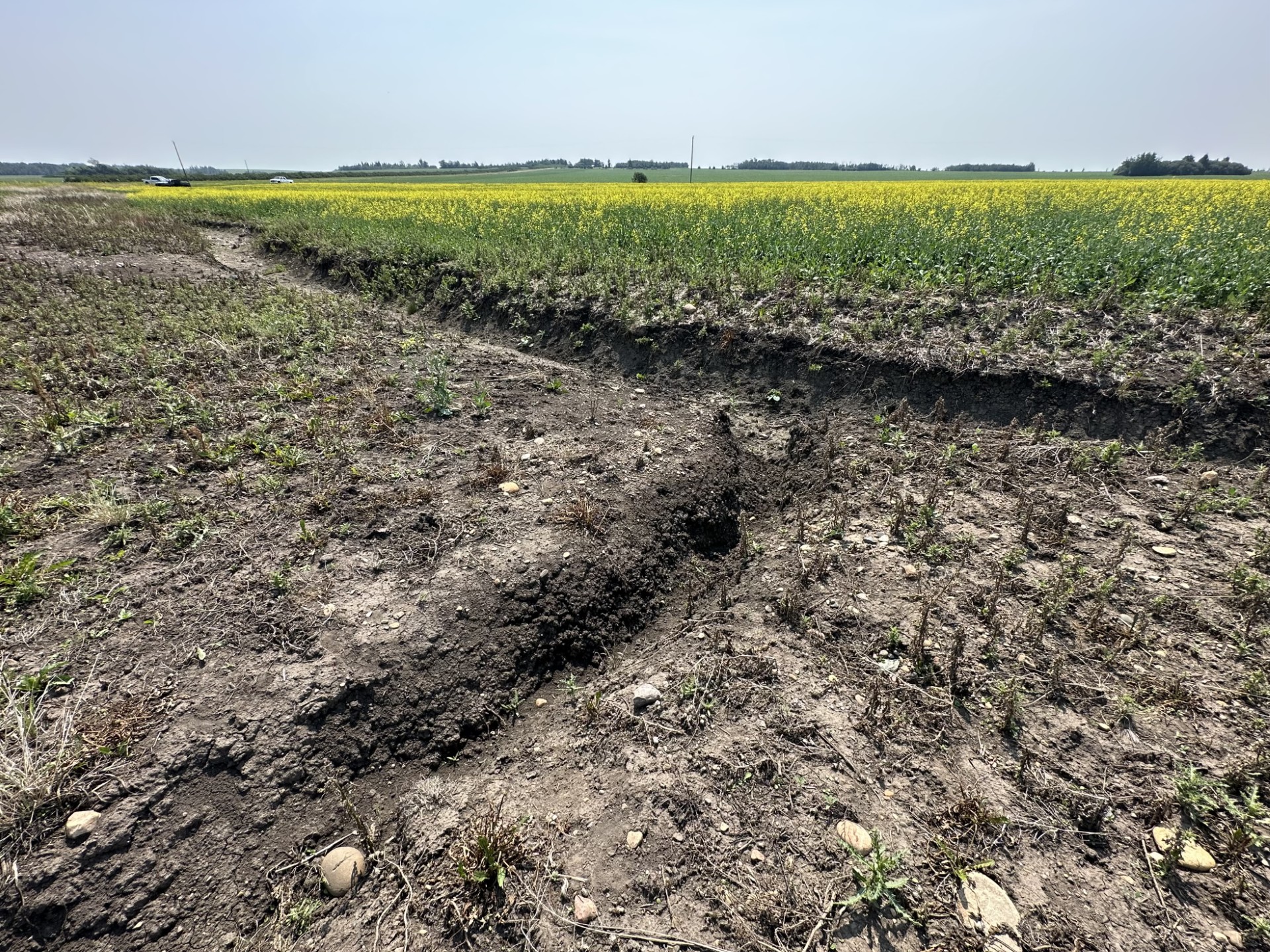
The main areas of concern under the Soil Conservation Act are wind and water erosion. In our County, water erosion is of particular concern, especially in high-flow years. 

Understanding Soil Erosion

Though soil erosion is a natural process, it is intensified by farming practices that leave the soil surface exposed and susceptible to the forces of wind or water.  

Erosion displaces topsoil, decreases the amount of soil organic matter and available nutrients for crops, and contributes to the degradation of soil structure. 

Snowmelt and rainfall are the driving forces for water erosion on the prairies, and bare soils are especially vulnerable to erosion. Silty soils, soils low in organic matter, and soils with an impermeable subsoil layer are also more susceptible to water erosion. 

Some methods you can implement to help reduce soil water erosion include: 

  • Maintaining organic matter 

  • Maintaining crop residue cover 

  • Reducing tillage or using zero tillage practices 

  • Implementing crop rotations 

Wind erosion moves topsoil, reduces soil organic matter and available crop nutrients, and contributes to the breakdown of soil structure. Wind erosion is especially problematic where large areas of open field are unprotected from wind. 

Some methods you can implement to help reduce soil wind erosion include: 

  • Maintaining a vegetative cover 

  • Reducing tillage or using zero tillage practices 

  • Avoiding overgrazing 

More Information & Resources

The Agriculture Department has a playlist of Agriculture Webinars on YouTube, which includes the following about Soil Health: 

The Soil Information Viewer can assist land managers and producers in making general land management decisions by allowing them to find soil information from the Agricultural Region of Alberta Soil Inventory Database (AGRASID). AGRASID describes the distribution of soil types for the agricultural land base of Alberta. 

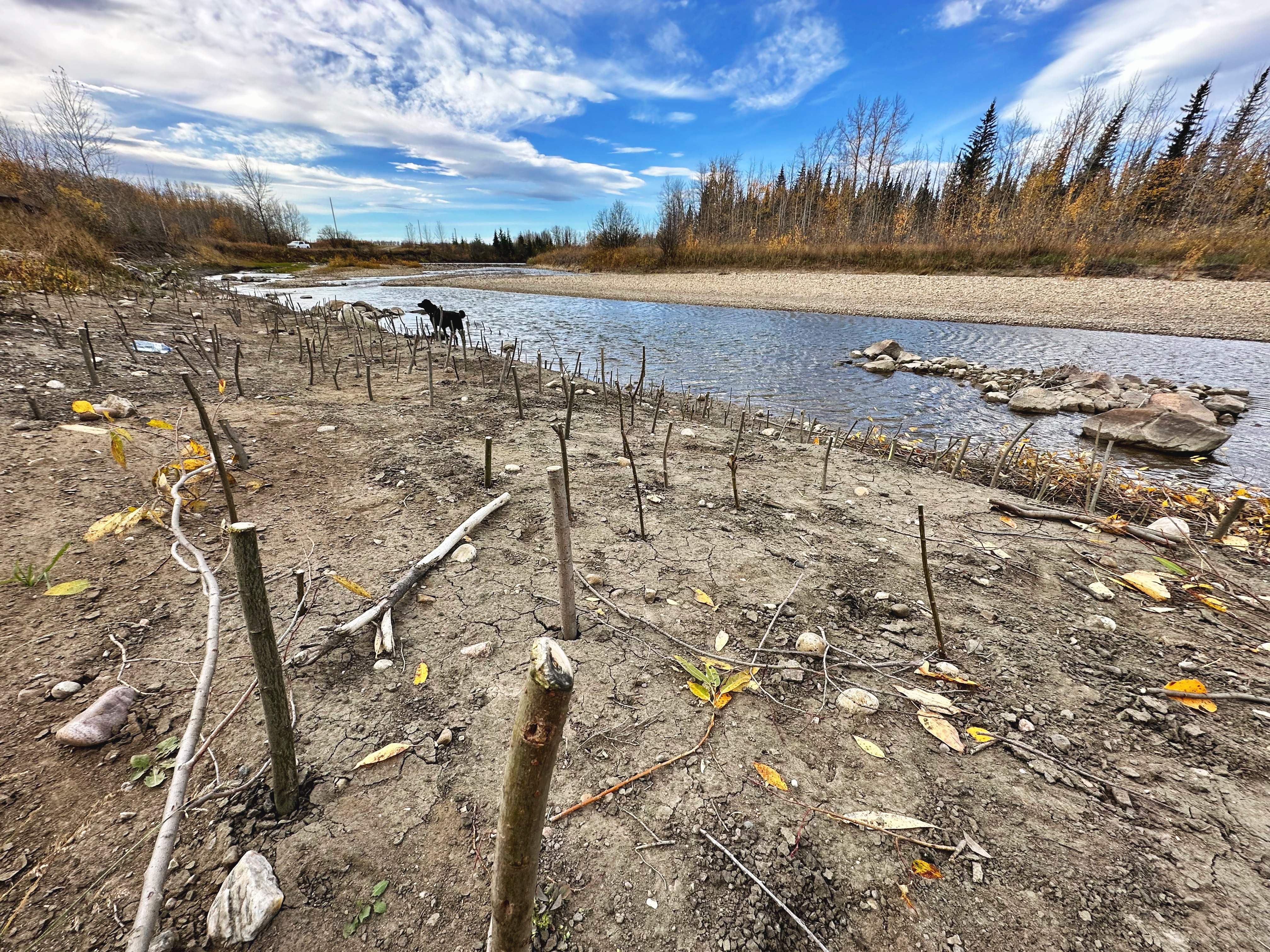
Shelterbelts are an effective way to help stabilize soil and promote overall soil health. The County of Grande Prairie recently started a Shelterbelt Program where you can purchase seedlings on a cost-recovery basis. 

Learn about soil erosion in Canada with the Soil Erosion Indicator. 

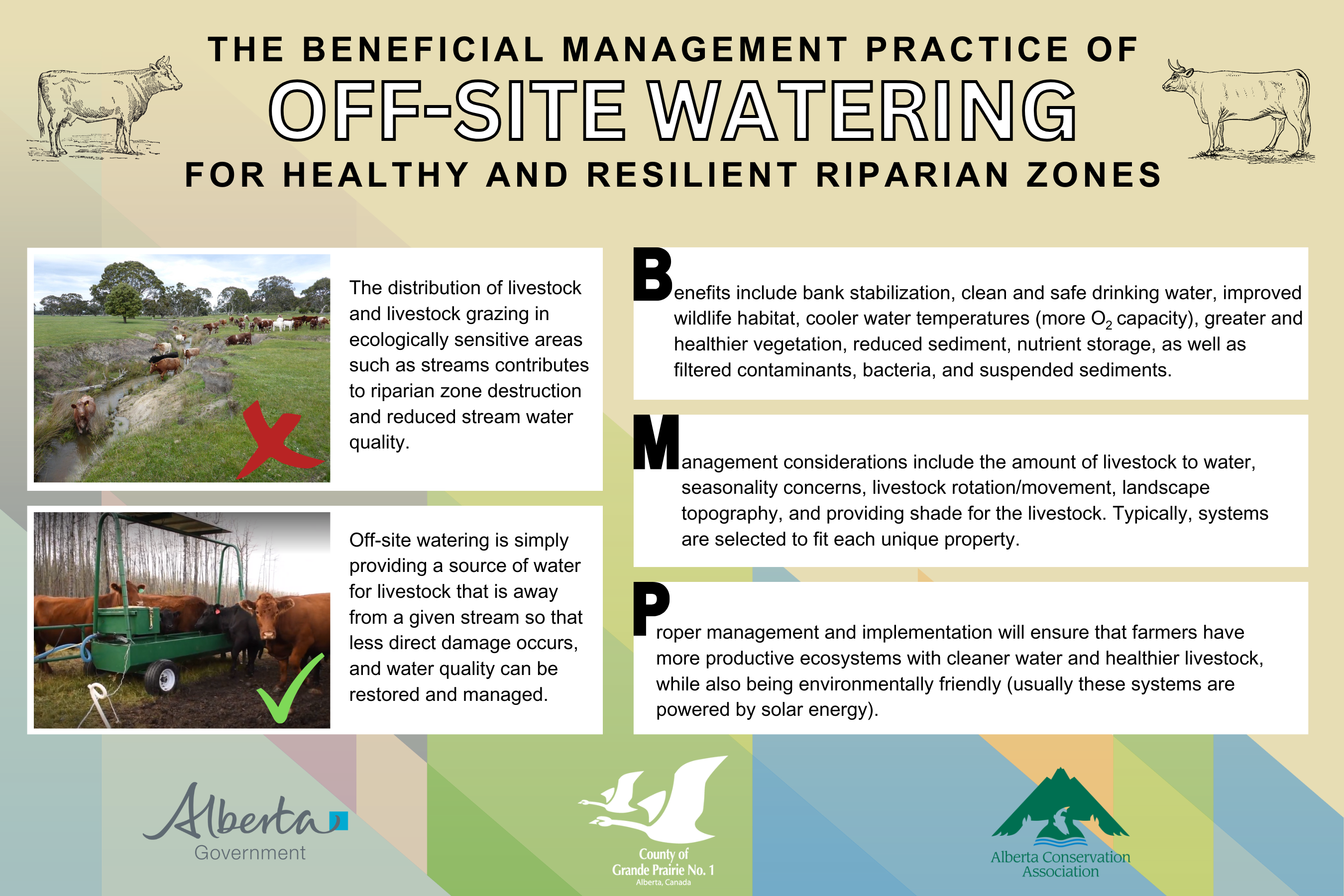
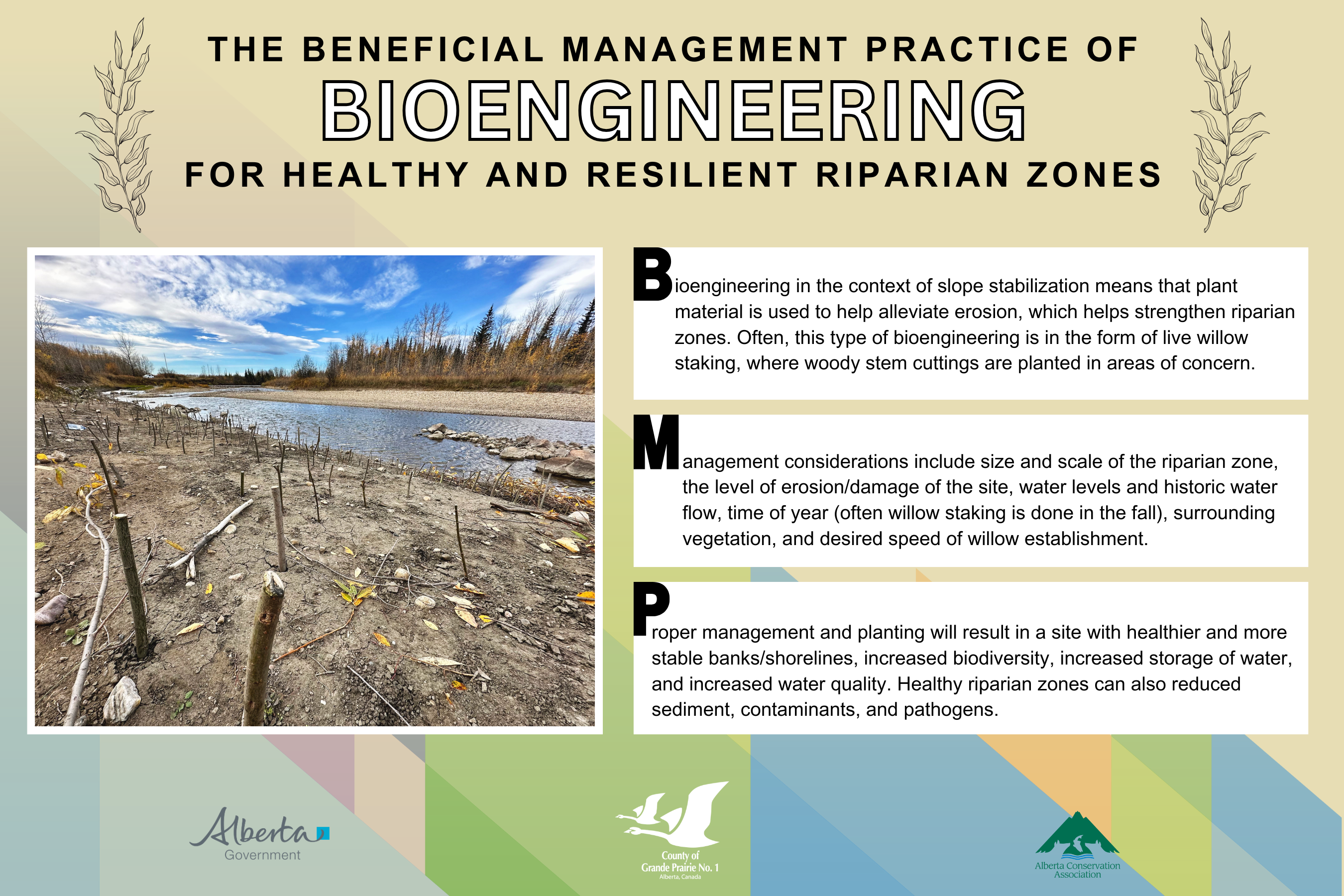
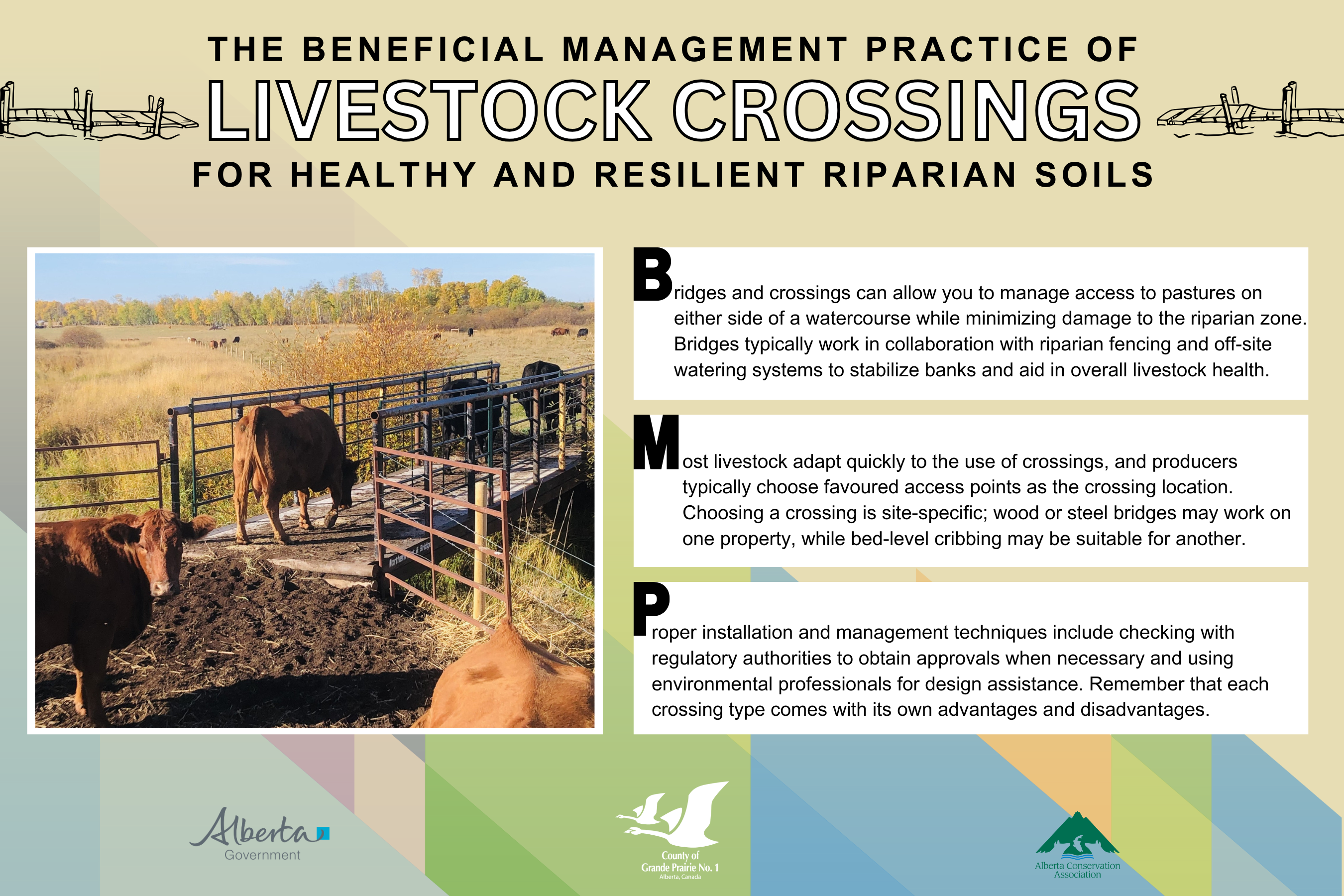
View our one-pagers about soil health Beneficial Management Practices: 

Contact Us

County of Grande Prairie
Administration Building
10001 - 84 Avenue
Clairmont, AB
T8X 5B2

Phone: 780-532-9722
Fax: 780-539-9880
Email: info@countygp.ab.ca

Sign up to get the Latest News

Stay up to date on the County's activities, events, programs and operations by subscribing to the County of Grande Prairie news.